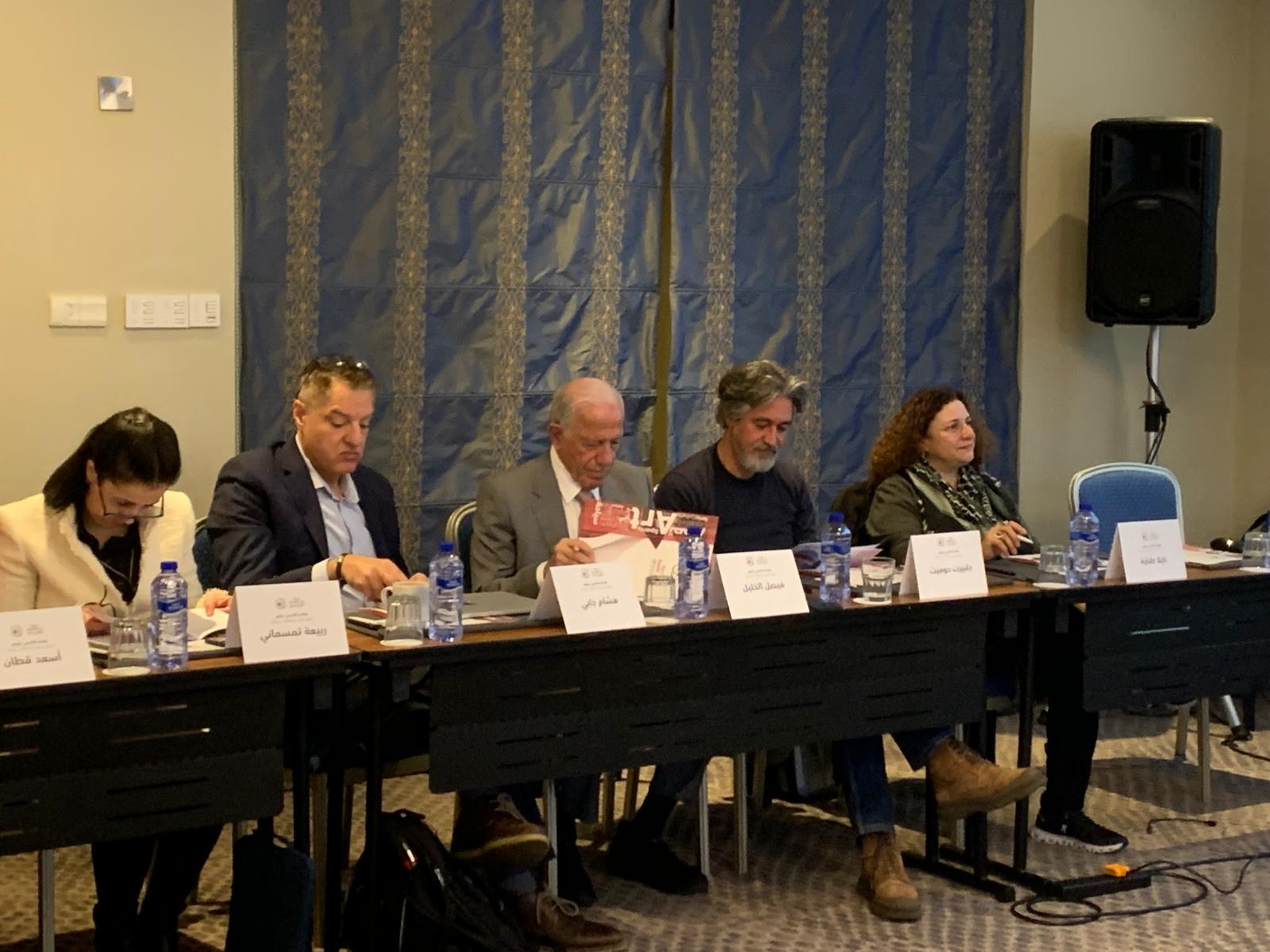
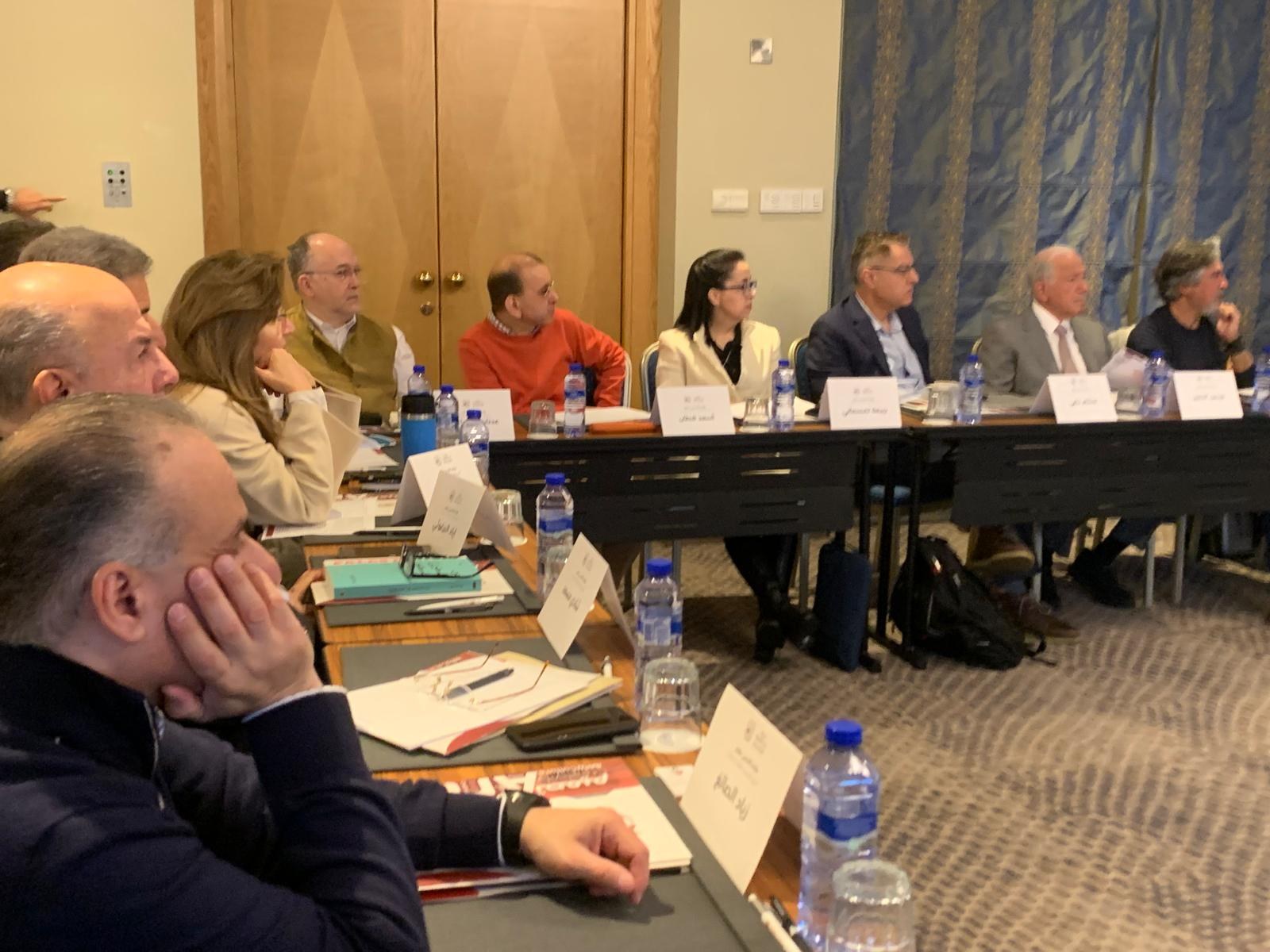
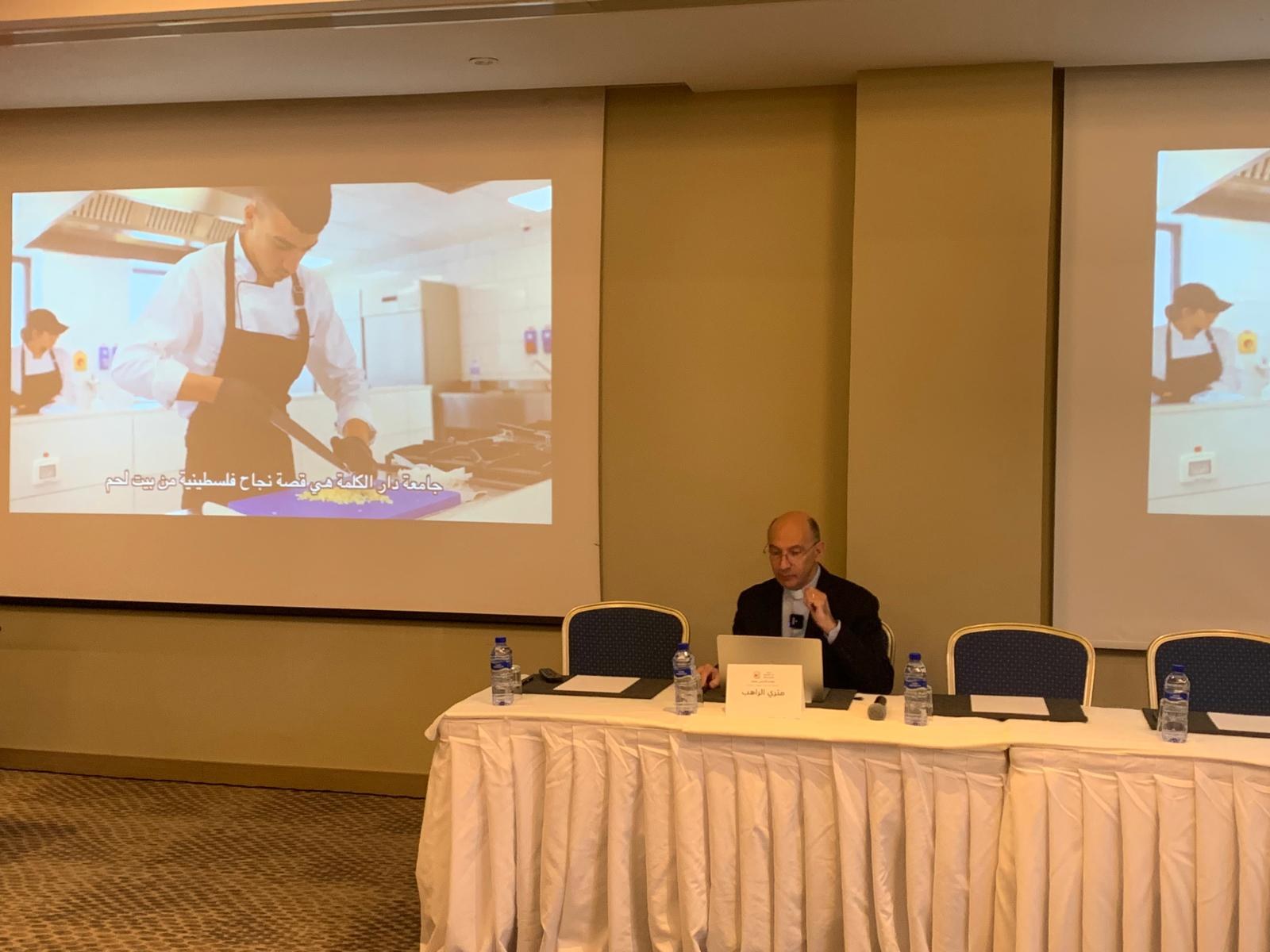
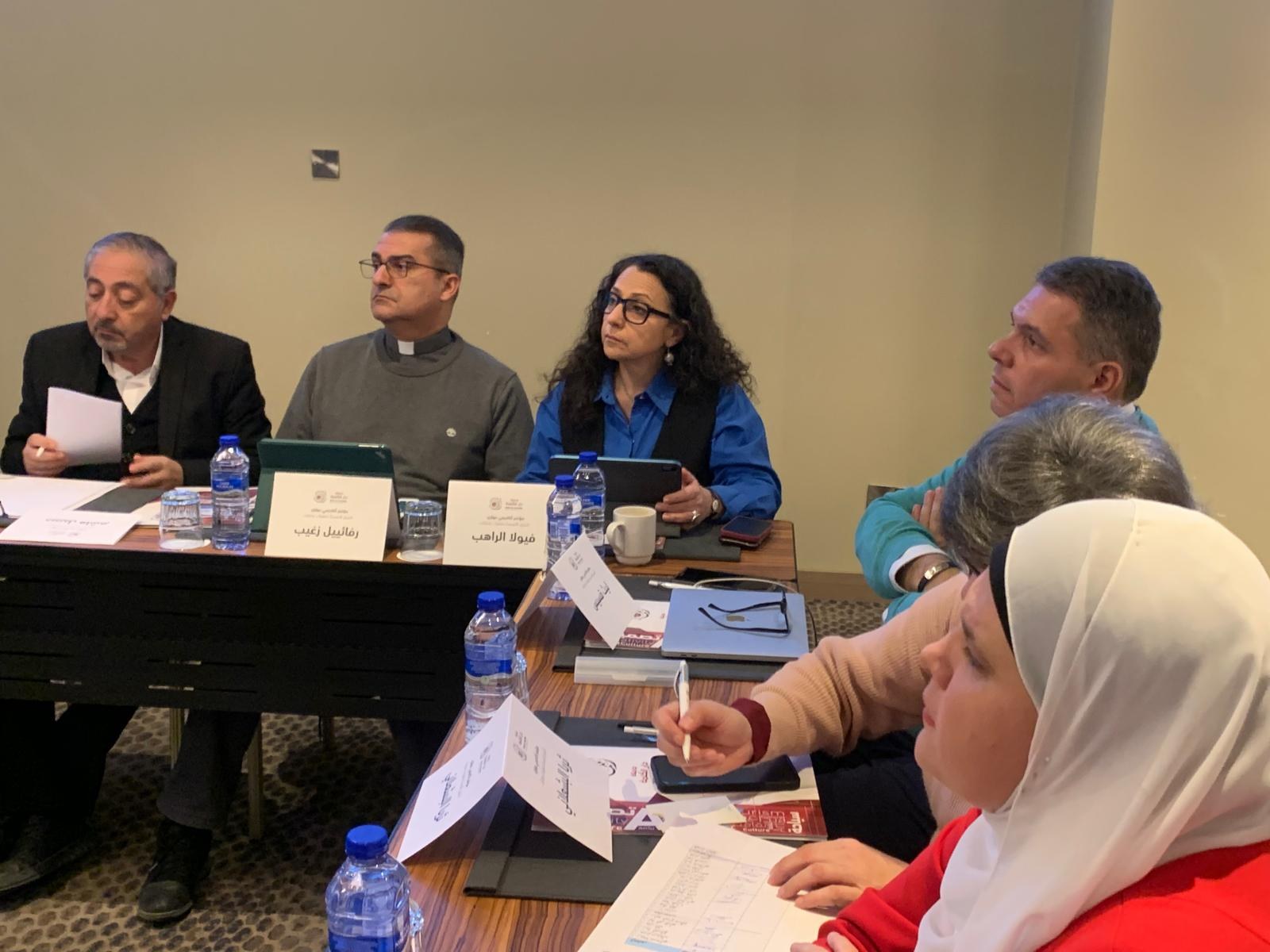
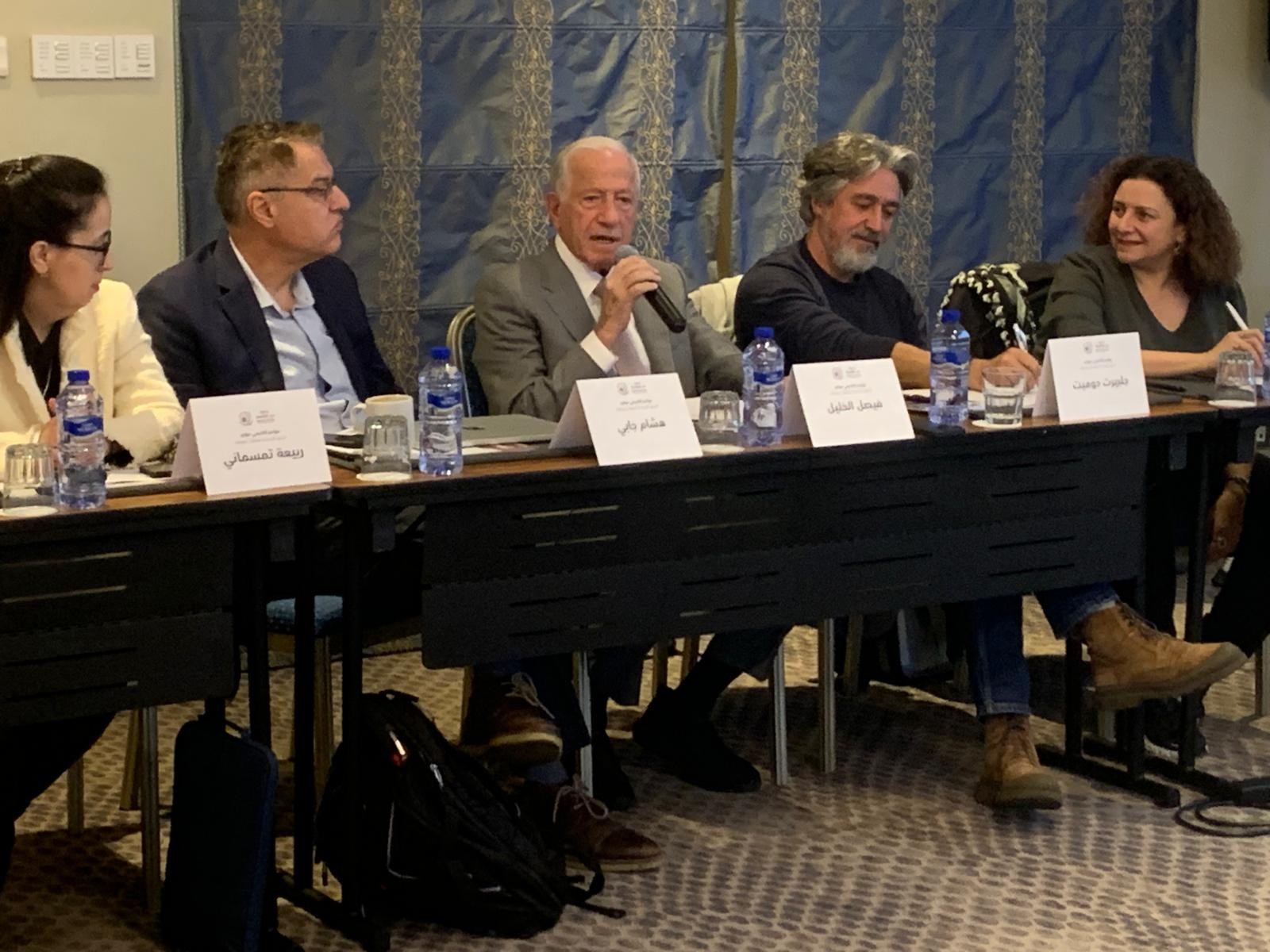
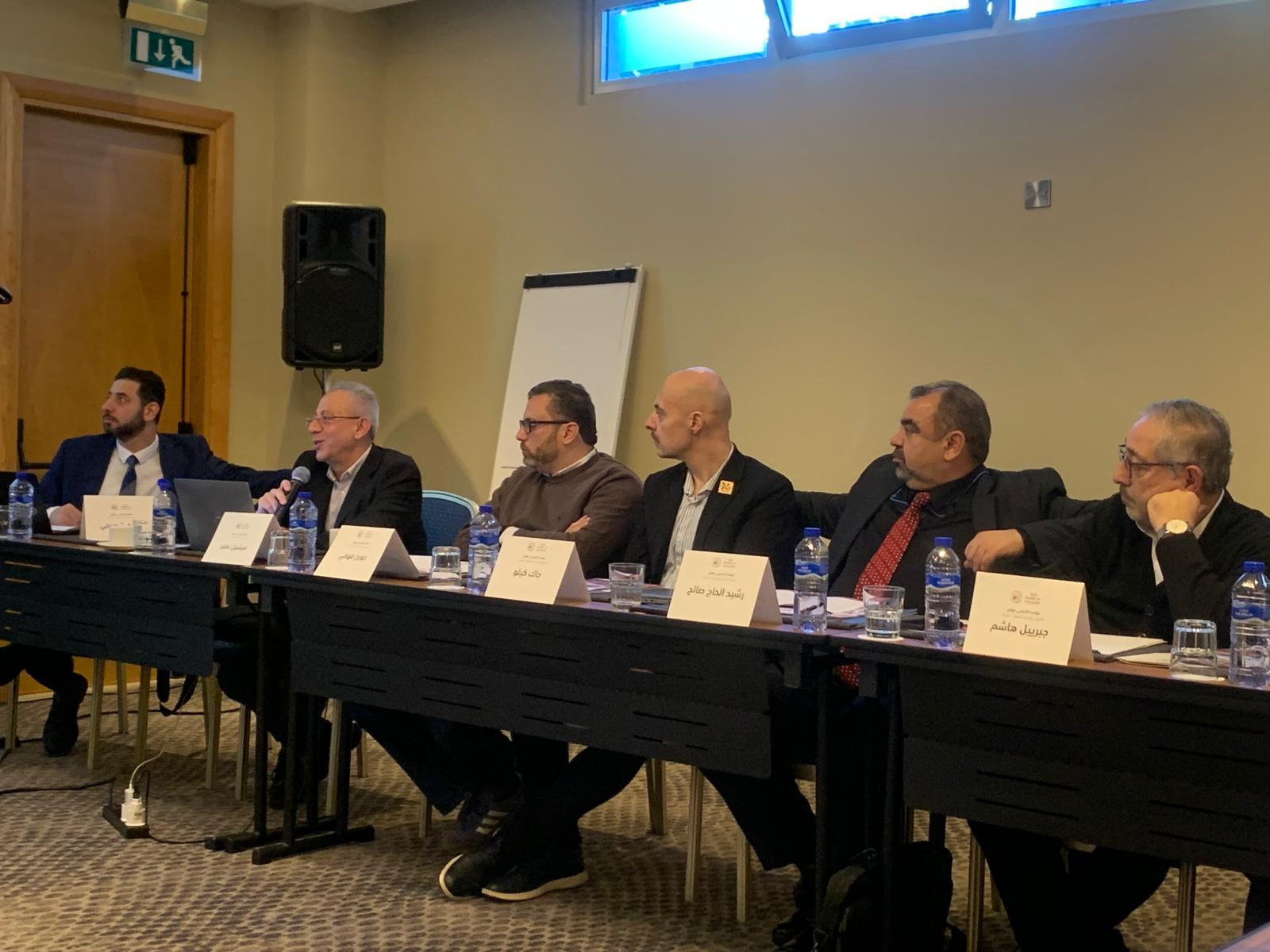
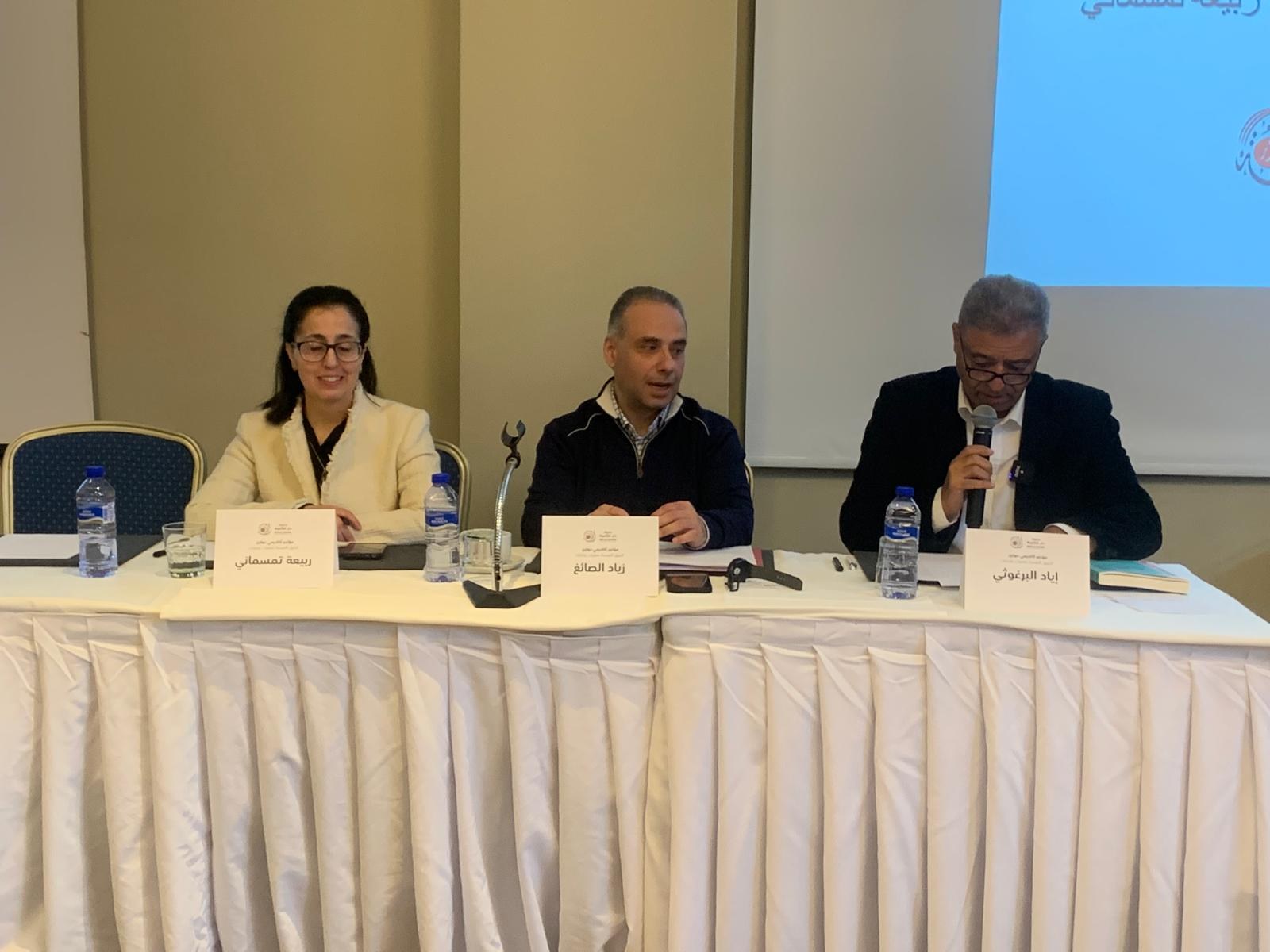
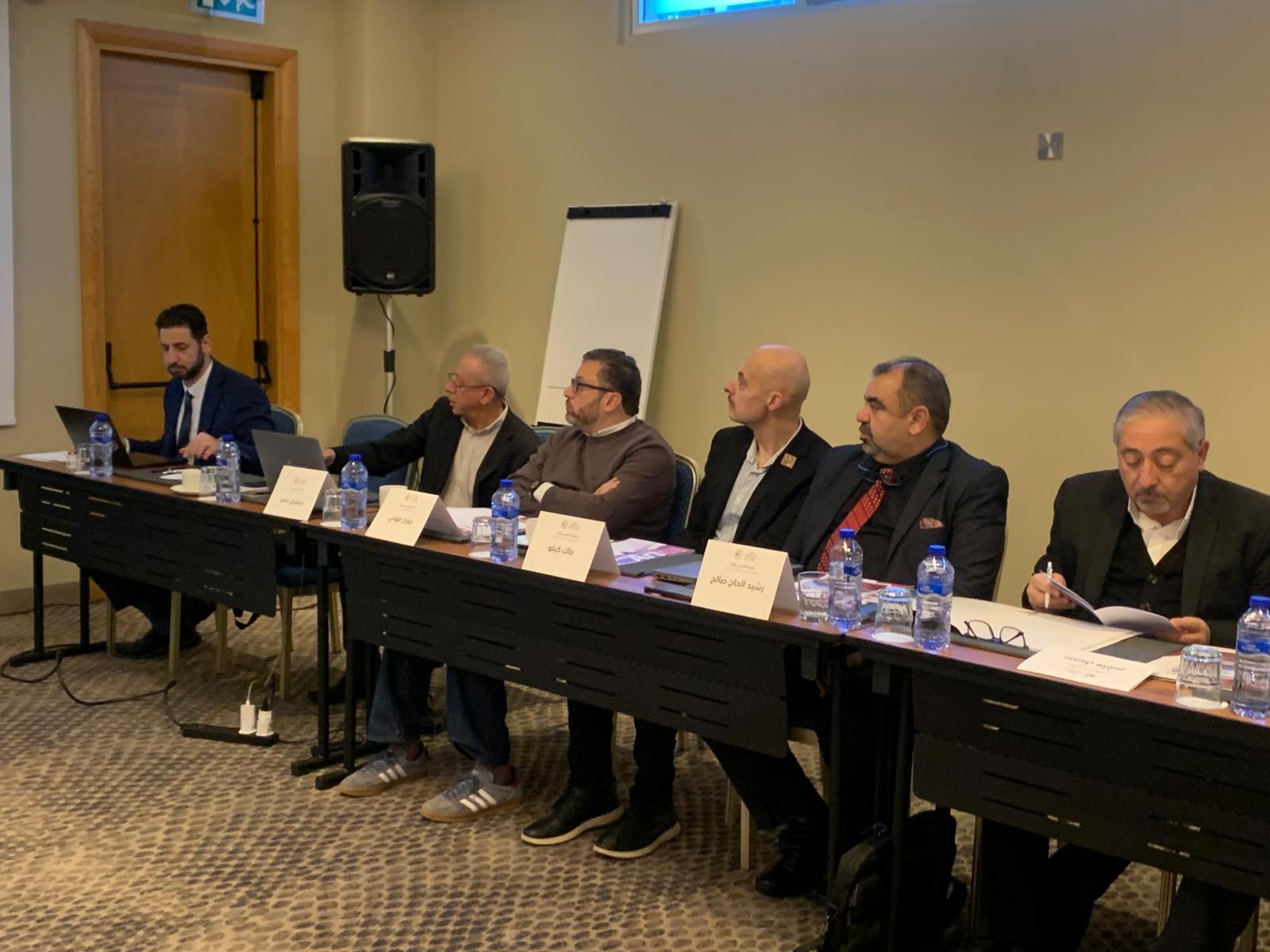
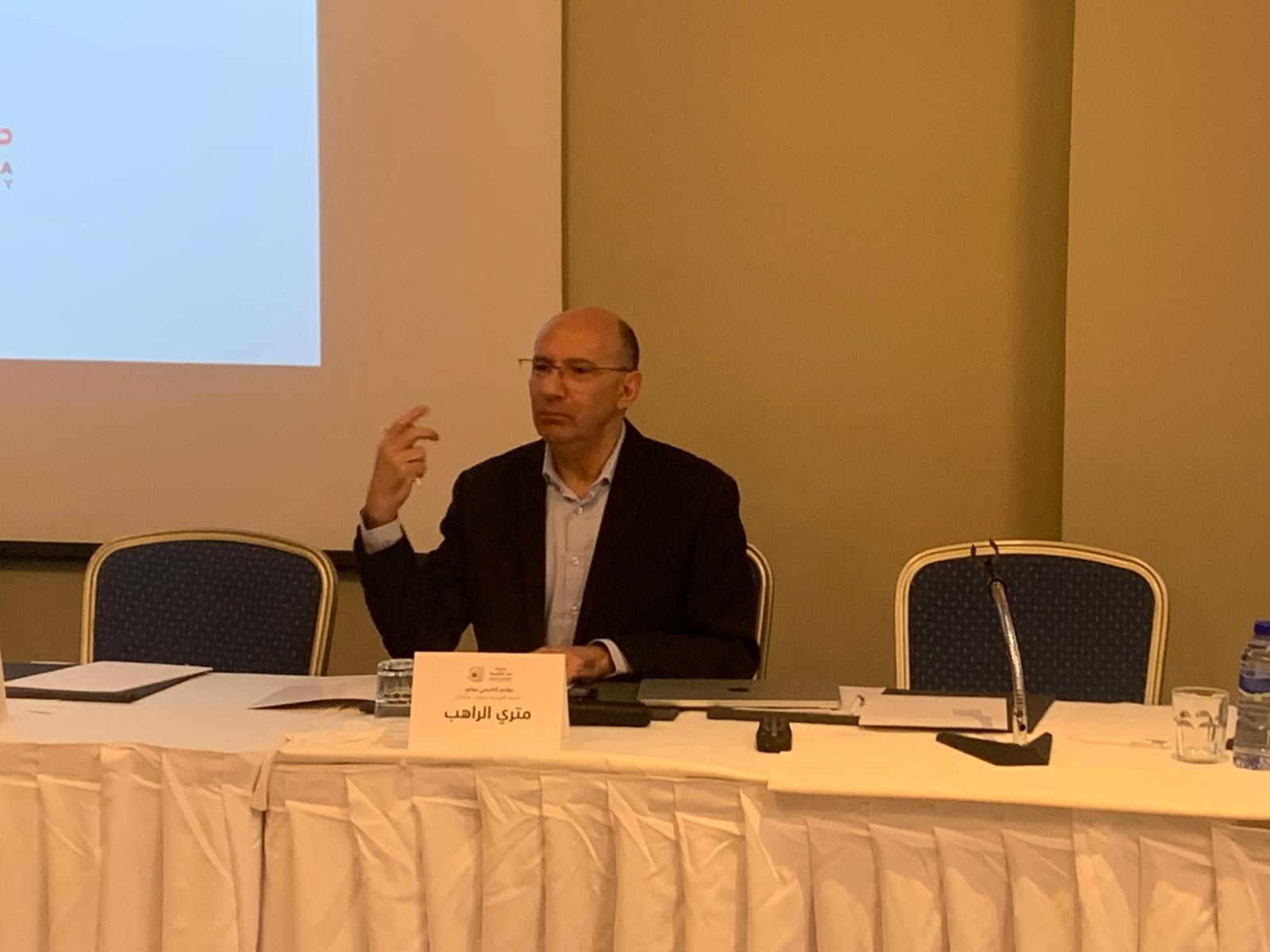
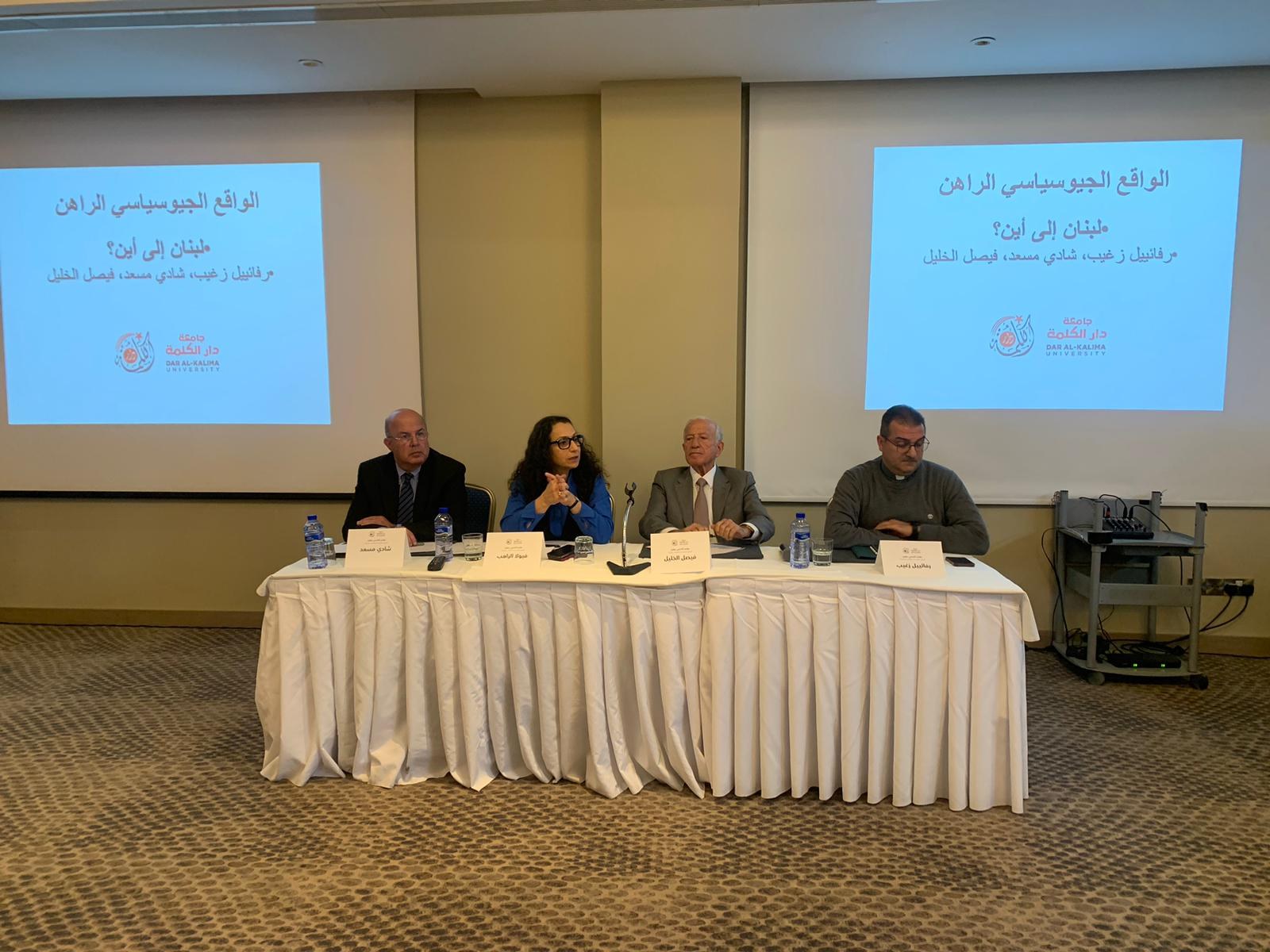
Dar al-Kalima University inaugurated its academic dialogue conference in Limassol, Cyprus, titled "The Middle East: Transformations and Choices," with the participation of leading academics, intellectuals, researchers, and experts from across the Arab world. The conference is held under the patronage and leadership of the University's Founder and President, Rev. Dr. Mitri Raheb.
The conference takes place amid a highly complex regional and international context marked by escalating wars, the weakening of the human rights system, and rapid geopolitical, economic, and technological transformations—particularly in the Middle East. It aims to provide an independent intellectual platform to analyze these changes and explore possible future trajectories and options.
Opening Address
In his opening remarks, Rev. Dr. Mitri Raheb emphasized that the current situation in the region—particularly the war on Gaza—has moved beyond a local or regional event to become a revealing moment for the nature of the international order, the centrality of military power, and the widening divide between the Global North and Global South. He also highlighted the severity of the refugee and diaspora crisis, shifting regional roles, and the emergence of Gulf states as influential regional actors. He further stressed anticipated transformations in the role of religion in Arab societies and the importance of civil society in confronting exclusionary policies and defending human dignity and rights.
Conference Themes and Sessions
Over two days, the conference addressed a range of key themes, including:
- Palestine after Gaza, examining the impact of the war on global consciousness and public opinion, the emergence of what some termed "Palestinism," and Israeli military dominance and regional penetration in several countries, including Morocco as a case study.
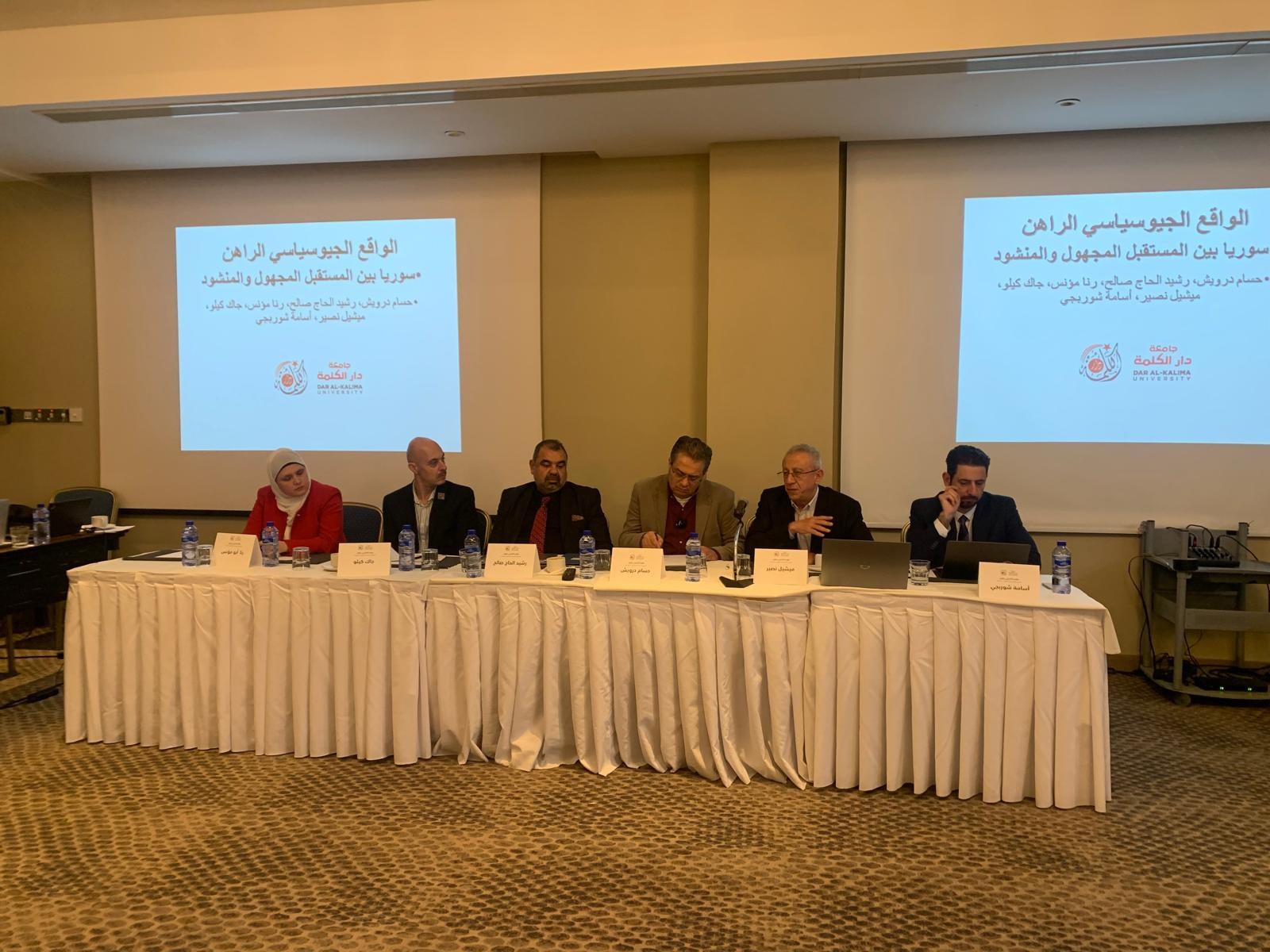
- The current geopolitical landscape in the Middle East, with a focus on state crises in Lebanon and Syria, and questions of citizenship, democracy, and political transition. The "Lebanon, Where to?" session emphasized constitutional implementation, building a civil democratic state based on citizenship, transitioning from a protective state to a guarantor state, and promoting a knowledge- and innovation-based economy. The "Syria Between the Uncertain and the Desired Future" session focused on the sensitive transitional phase following the fall of the regime in December 2024, with consensus on the need for an inclusive citizenship-based state, rule of law, non-selective transitional justice, and a strengthened civil society.
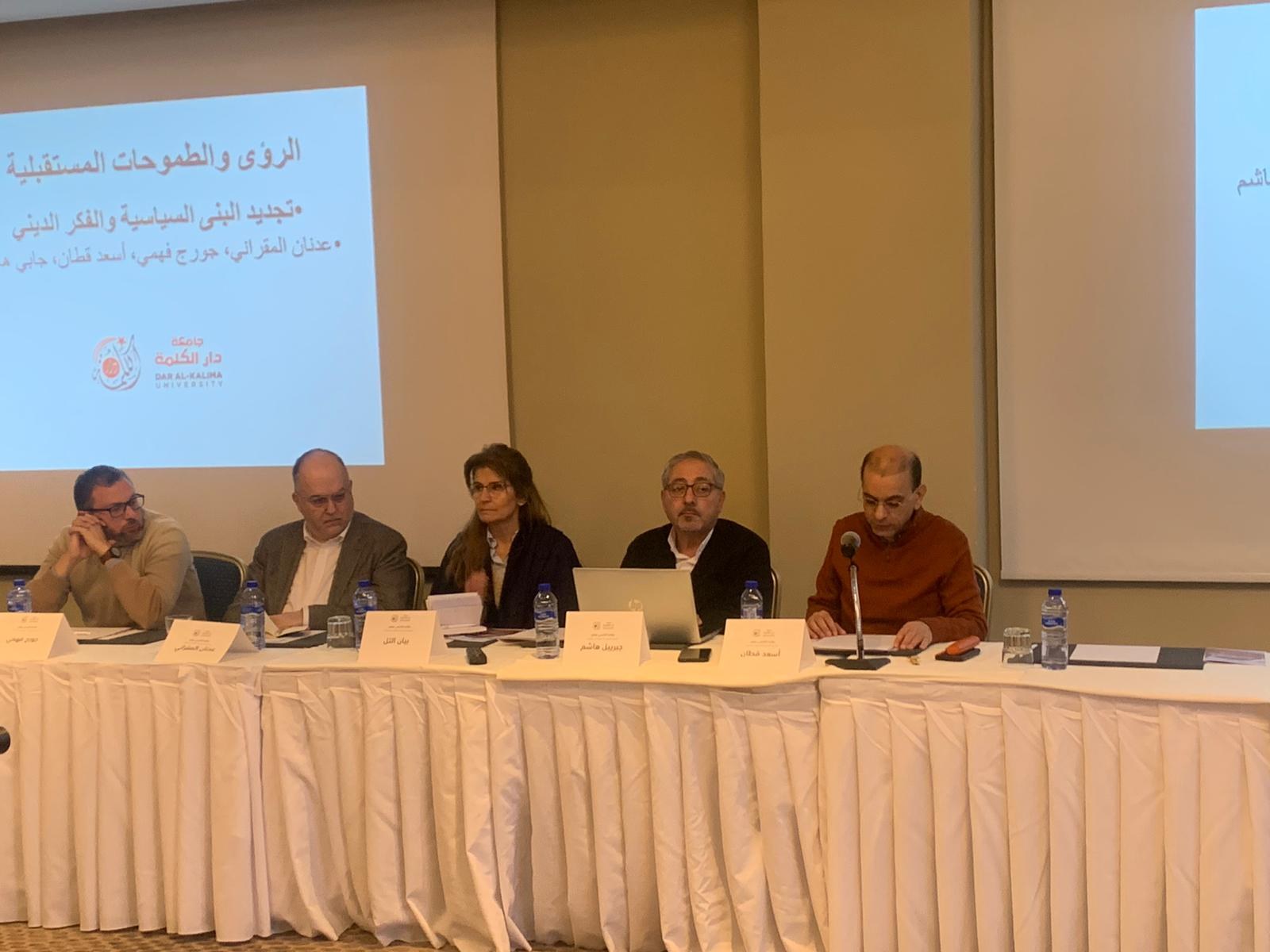
- Renewing religious thought and political structures, highlighting contextual theology, theology of nonviolence, non-politicized religious reform, and critiques of sectarian and metaphysical models in religion-state relations, alongside calls for a discourse rooted in humanization, freedom, and citizenship.
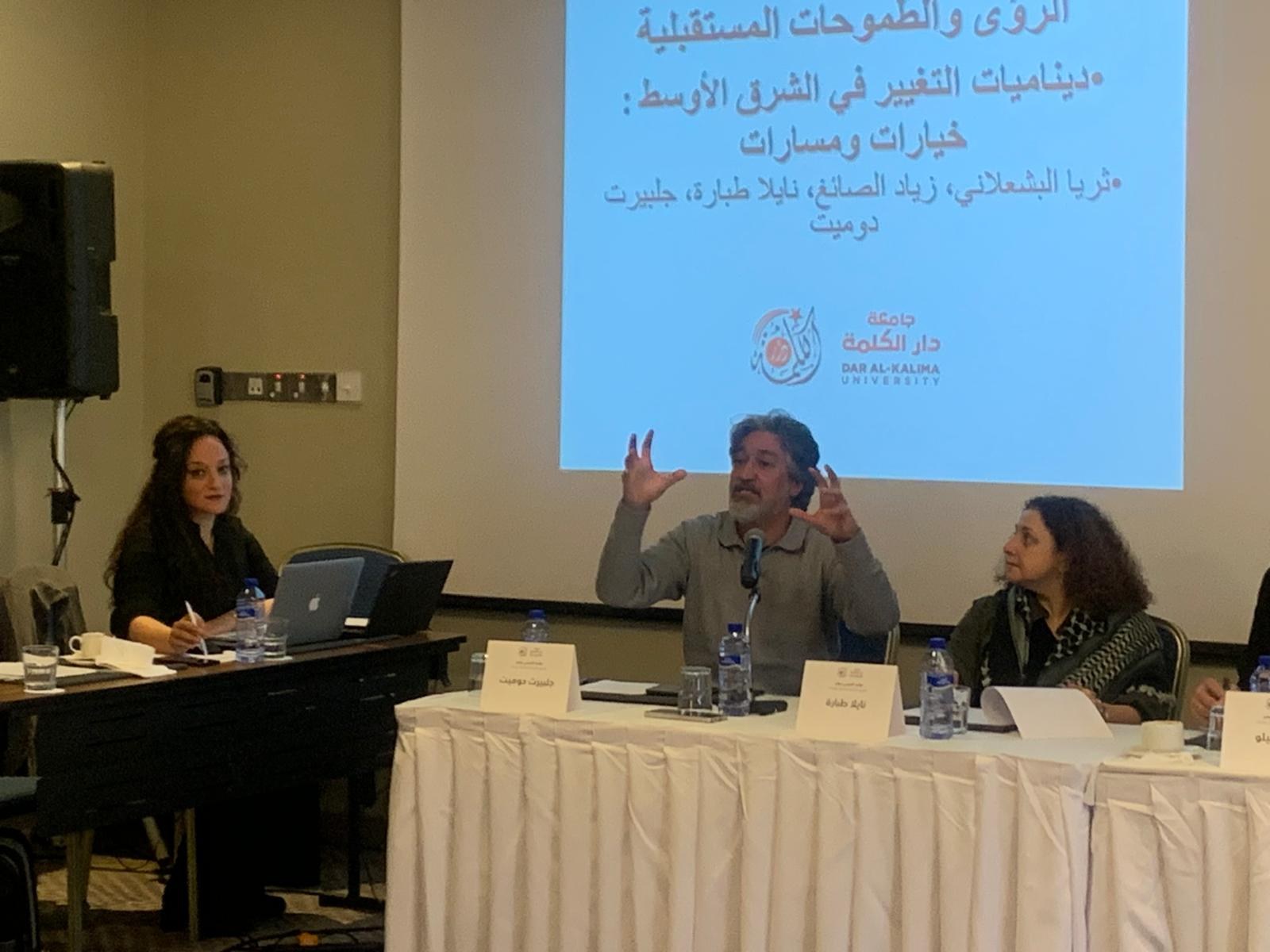
- Dynamics of regional change, in light of economic and technological transformations, particularly artificial intelligence, and their impact on power balances and development. Speakers stressed that investment in knowledge, education, and human capital is essential for any future development project in the region.
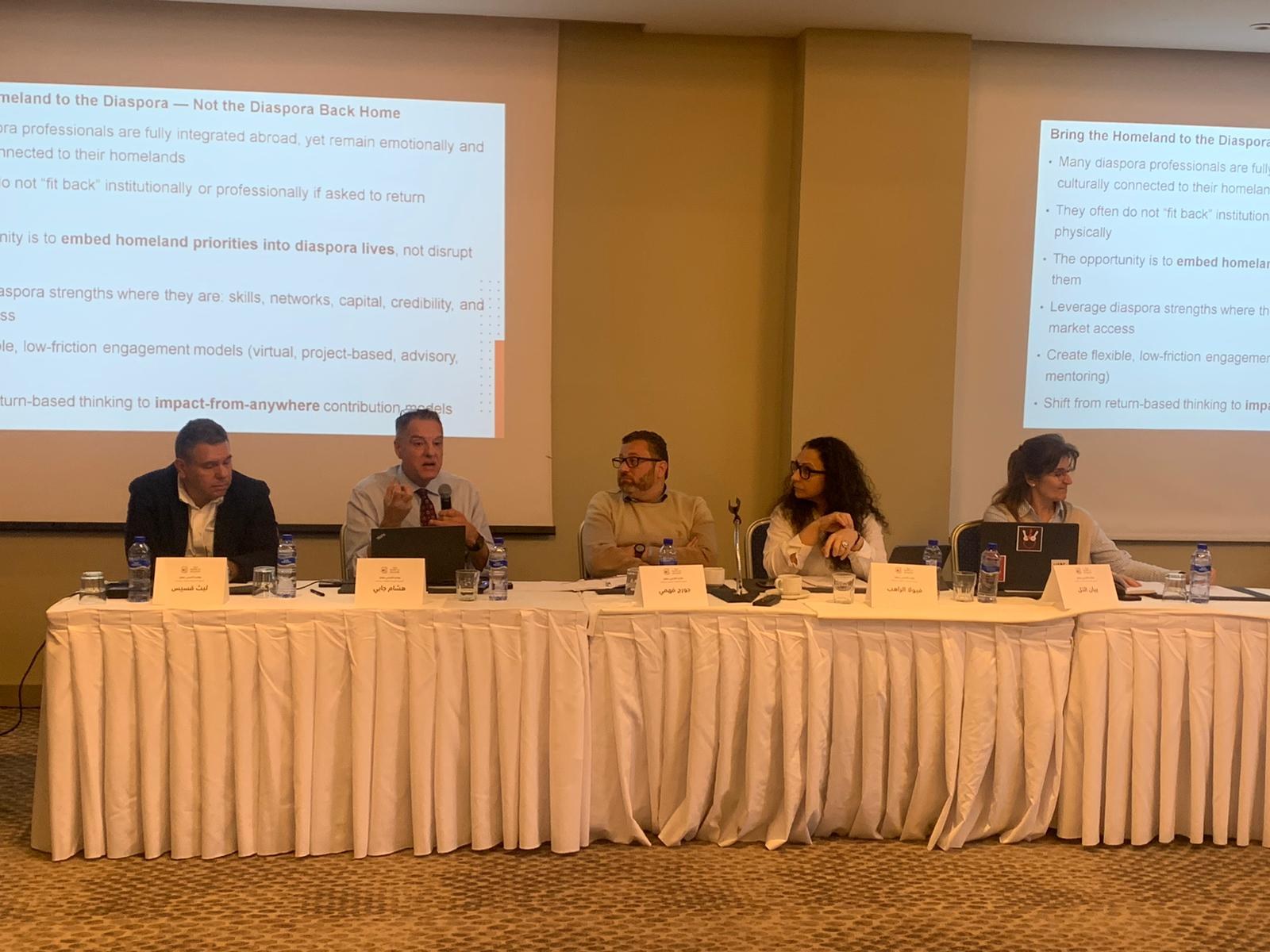
- The role of civil society and the diaspora, addressing the decline in civil society support, the role of media and content creation in protecting rights and expanding possibilities, and the potential of the Arab diaspora as a strategic force for change, provided a unified national identity and effective communication channels are developed between homeland and diaspora communities.
The conference brought together speakers from Palestine, Lebanon, Syria, Egypt, Tunisia, Morocco, and Jordan, as well as Arab intellectuals from Europe and the Americas, offering diverse academic, political, and intellectual perspectives.
Conclusions and Recommendations
The conference concluded that the future of the Middle East depends on restoring equal citizenship, rule of law, social justice, and human rights, as well as investing in people, education, and knowledge as foundations for sustainable development.
Participants also emphasized the importance of strengthening cross-border academic and intellectual cooperation, linking research to public policy, empowering civil society, and activating the role of youth and diaspora communities as strategic agents of positive change.
Closing Remarks
In closing, Rev. Dr. Mitri Raheb affirmed that Dar al-Kalima University will continue to serve as a critical academic institution and a platform for free dialogue, committed to producing knowledge grounded in justice and human dignity, and contributing to alternative visions for a more just and peaceful future in the Middle East. The University's publications department will compile the conference papers into a volume to be published next year, and all presentations will be made available on the University's website: www.daralkalima.edu.ps